Artist
Creedence Clearwater Revival
Formed in El Cerrito, California, 1967 7 studio albums 1 dive so far
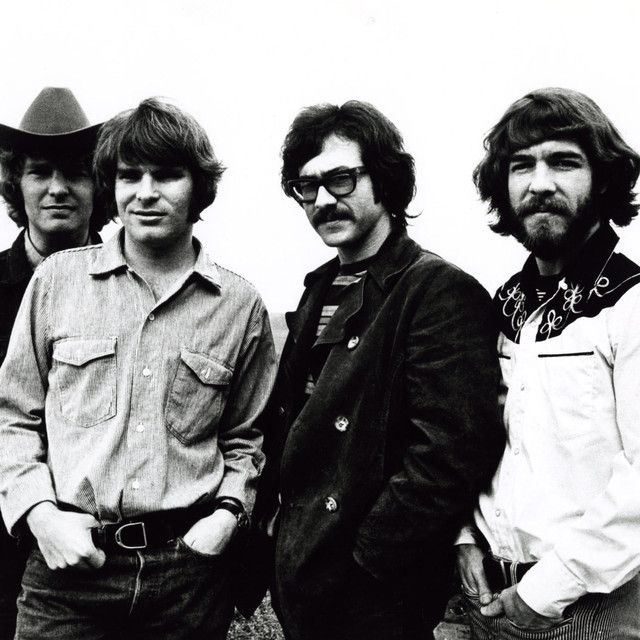
Most American bands of the late sixties were chasing the same dream of Haight-Ashbury, the long jams, the psychedelic sprawl. Creedence Clearwater Revival went the other way. They were from El Cerrito, just across the bay from all that, and they made tight, plain-spoken records that sounded like they came up the Mississippi rather than down from the hills above San Francisco.
At the center was John Fogerty: lead singer, lead guitar, and the writer of nearly everything that mattered. His brother Tom played rhythm guitar, Stu Cook held the bottom on bass, and Doug Clifford drummed. Four men who had been playing together, under other names, since they were teenagers in junior high.
What set them apart was economy. No song outstayed its welcome. The hits were short, the hooks were immediate, and the swamp-rock sound Fogerty conjured, all reverb and grit, felt older and more rooted than the band’s California zip code had any right to produce.
For a stretch at the turn of the decade they were arguably the biggest singles band in America, stacking up two-sided hits while writing about rain, rivers, and the men who pay for other men’s wars. They burned bright and brief. The records did not.
The studio albums
The whole studio run. Dived albums are lit and clickable.
1 of 7 divedDives first, then newest to oldest.
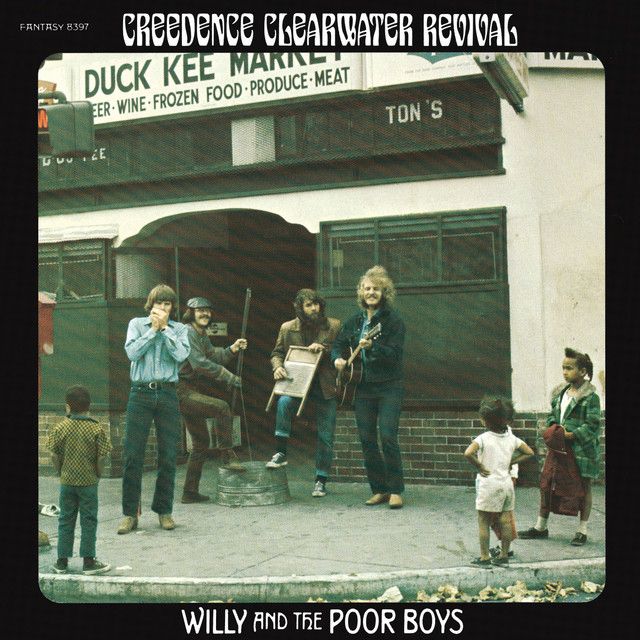
Willy and the Poor Boys
1969
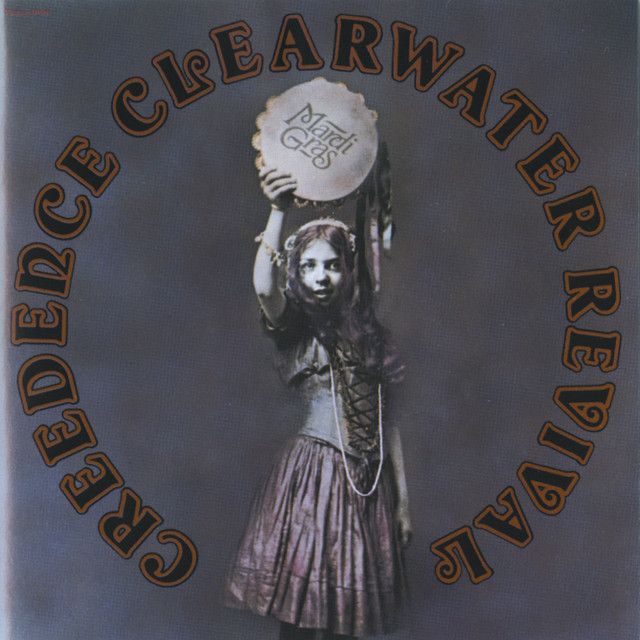
Mardi Gras
1972
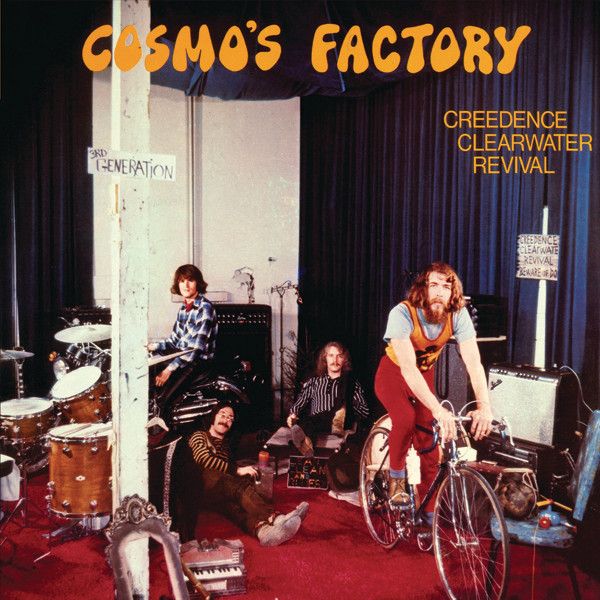
Cosmo's Factory
1970
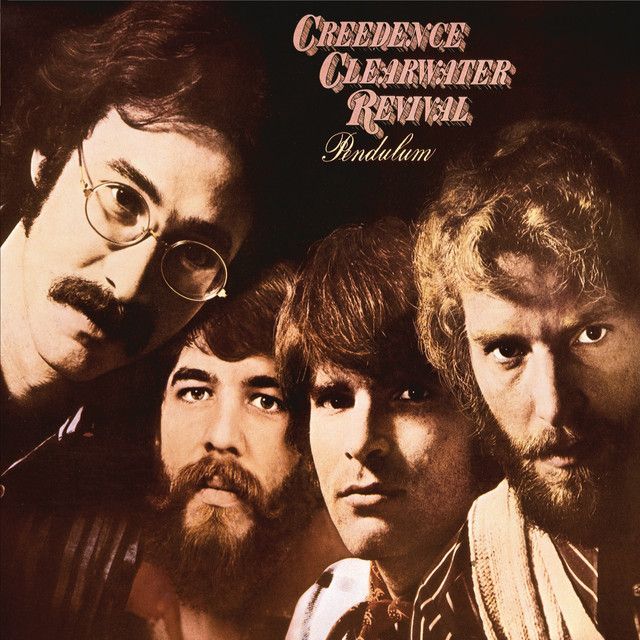
Pendulum
1970
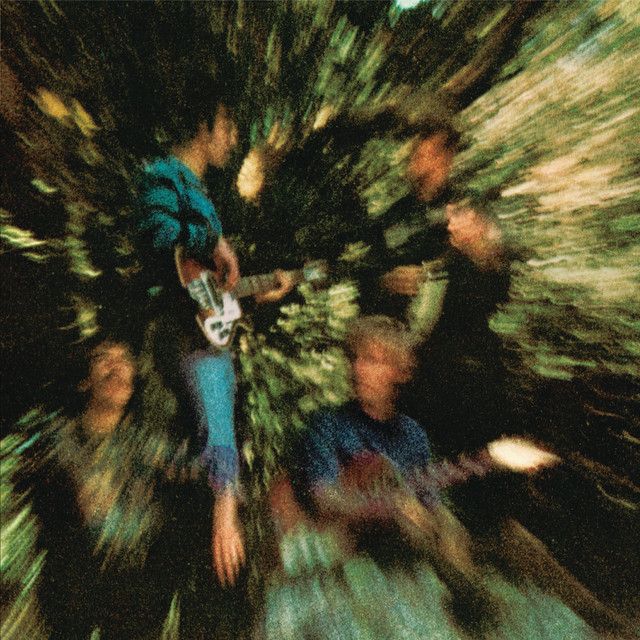
Bayou Country
1969
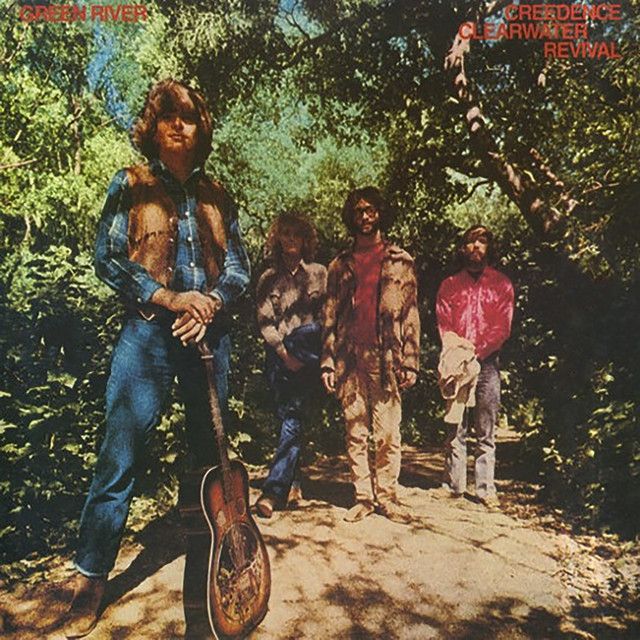
Green River
1969
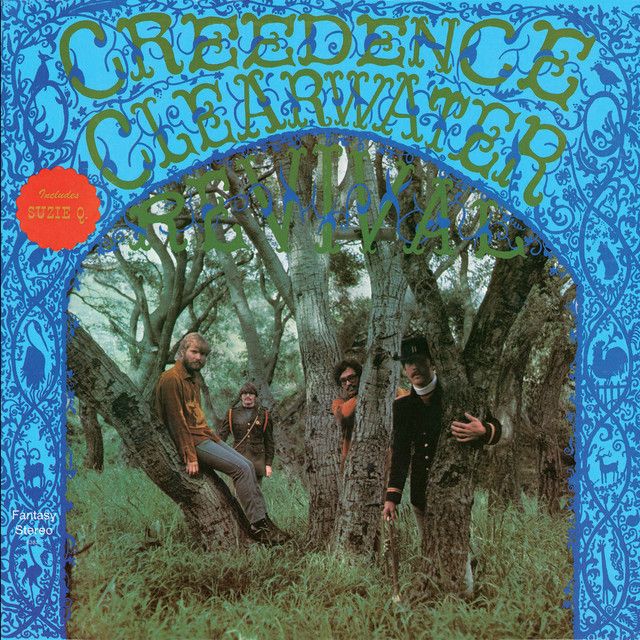
Creedence Clearwater Revival
1968
The newsletter
Follow the dives
New dives into Creedence Clearwater Revival and beyond, one fact at a time. The thing that changes the song, in your inbox.
No spam, unsubscribe anytime.